
usa
how long does adderall stay in your system
Apr
How Long Does Adderall Stay in Your System? A Complete Guide for ADHD Patients
Adderall can help improve focus, attention, and impulse control for people with ADHD, but many patients also want to know how long it stays in the body. The answer depends on the form you take, your dose, your metabolism, and the type of drug test being used. If you are asking how long does Adderall stay in your system, the short answer is that it may be detectable for days after the last dose, even though its effects wear off much sooner.
Introduction
Adderall is a prescription stimulant made from amphetamine salts and is commonly used to treat attention-deficit/hyperactivity disorder (ADHD) and sometimes narcolepsy. It works by increasing certain brain chemicals that help with alertness, focus, and self-control. Because it acts quickly and affects the central nervous system, many people also want to understand how long it lasts, how it is prescribed, and what factors affect its clearance from the body.
For patients researching treatment options, knowing how long does Adderall stay in your system is important for safety, planning, and drug testing. It also matters if you are comparing immediate-release and extended-release versions, trying to understand side effects, or asking questions like how long does Adderall XR last or how long does Adderall take to work.
Overview and background
Adderall belongs to the amphetamine family. It is a controlled prescription medication in the United States because it can be misused, cause dependence, and affect heart rate, blood pressure, sleep, and appetite. It is most often prescribed to people with ADHD who need help staying organized, paying attention, and reducing hyperactivity or impulsive behavior.
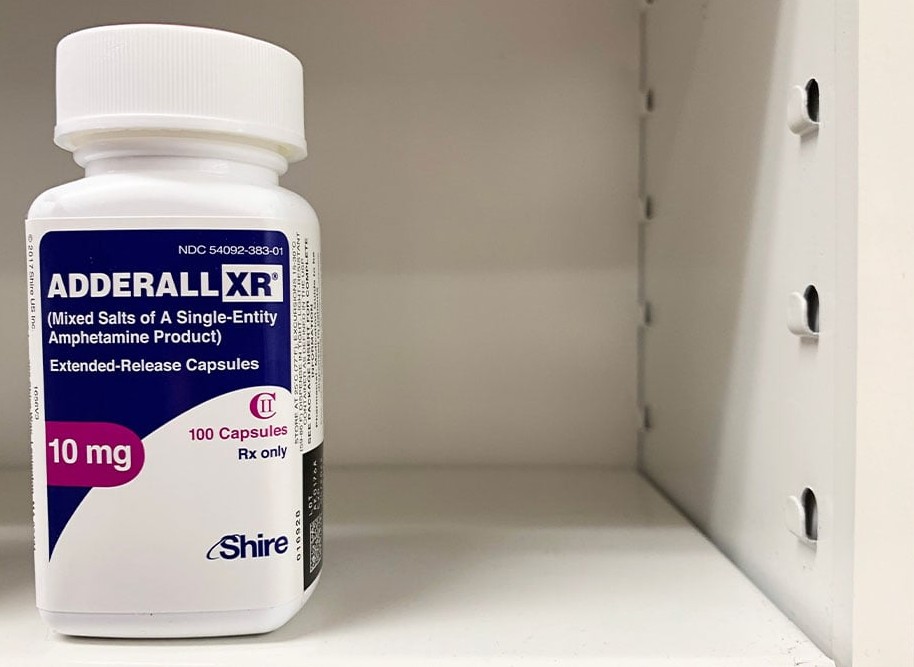
The medication comes in two main forms: immediate-release Adderall and extended-release Adderall XR. The immediate-release version is designed to work faster and wear off sooner, while Adderall XR is formulated to release medication more gradually throughout the day. That difference affects not only symptom control but also how long the drug may remain in your system.
Why Adderall stands out
Adderall is commonly used because it has several practical benefits for people with ADHD:
-
It can improve attention and concentration.
-
It may reduce impulsivity and restlessness.
-
It is available in both short-acting and long-acting forms.
-
It has a well-established track record in ADHD treatment.
-
It can be adjusted in dose based on response and side effects.
-
It may work quickly for some people, especially the immediate-release version.
At the same time, Adderall is not the right fit for everyone. People with certain heart conditions, anxiety disorders, substance use histories, or pregnancy-related concerns may need extra caution before starting it.
Versions and types
There are two main forms of Adderall used in everyday treatment:
Immediate-release Adderall
This version is taken one or more times a day. It usually starts working faster and wears off sooner. It is often preferred when someone needs flexibility in dosing or shorter coverage.
Adderall XR
This extended-release version is taken once daily and releases medication over a longer period. Many people choose it for all-day symptom control and fewer doses.
Comparison table
How long it stays in your system
The effects of Adderall are much shorter than the time it remains detectable in the body. A person may feel the medication wearing off in hours, but traces can stay in the body longer. This is why the question how long does Adderall stay in your system is different from “how long does it work?”
In general, Adderall may be detectable in:
-
Blood for about 1–2 days.
-
Saliva for about 1–2 days.
-
Urine for about 2–4 days, sometimes longer.
-
Hair for up to 90 days in some testing situations.
These are general estimates, not guarantees. The actual timing depends on dose, frequency of use, age, kidney function, urine pH, hydration, and whether the person uses Adderall regularly or only occasionally.
Key features and benefits
Fast symptom relief
One of Adderall’s biggest advantages is that it can begin helping relatively quickly. Many people notice improvement in focus, energy, or task initiation within a short time after taking it.
Flexible duration
Immediate-release and extended-release forms allow prescribers to tailor treatment to daily routines. Someone who needs a shorter effect window may use immediate-release medication, while another person may benefit from the longer coverage of XR.
Predictable prescription use
When taken as directed, Adderall can be a reliable part of ADHD management. It is often used alongside behavioral strategies, school accommodations, or productivity systems.
Well-studied treatment
Adderall is one of the most recognized stimulant medications for ADHD. That makes it easier for clinicians and patients to understand expected benefits, side effects, and safety concerns.
How long Adderall XR lasts
 If you are comparing formulations, how long does Adderall XR last is one of the most common questions. Adderall XR is designed to provide symptom control over a longer period than immediate-release Adderall, often lasting most of the day for many users. Some people may feel effects for around 10–12 hours, though that can vary widely.
XR does not mean the medication stays in the system for only 12 hours. It means the active drug is released slowly over time, which can extend symptom relief. Even after the noticeable effects fade, the drug may still be present in the body.
How long Adderall takes to work
The answer to how long does Adderall take to work depends on the formulation:
-
Immediate-release Adderall often begins working in about 30 to 60 minutes.
-
Adderall XR may take a bit longer to feel fully effective because it is released in stages.
Food, stomach contents, and individual metabolism can also affect onset. Some people feel a clear difference quickly, while others need a few days of dose adjustment to find the right effect.
Use cases and applications
Adderall is commonly used by people who need support with:
-
Sustaining attention at school or work.
-
Starting tasks and finishing them.
-
Reducing distractibility.
-
Managing impulsive behavior.
-
Handling long workdays or classes.
-
Organizing routines and deadlines.
It is best suited for people diagnosed with ADHD by a qualified clinician. It is not a performance-enhancement shortcut for healthy individuals, and misuse can be dangerous.
How to choose the right option
Choosing between immediate-release Adderall and Adderall XR usually depends on your schedule and symptoms. If you need coverage during a full school or workday, XR may be more convenient. If you need shorter coverage or want more control over dosing times, immediate-release may be a better fit.
A clinician may consider:
-
Your symptom pattern.
-
Your sleep schedule.
-
Side effects like appetite loss or insomnia.
-
Whether you need morning-only coverage or all-day support.
-
Any history of anxiety, high blood pressure, or substance misuse.
Practical decision tips
Before starting or continuing Adderall, consider these points:
-
Take it exactly as prescribed.
-
Track how long it helps and when it wears off.
-
Avoid taking it late in the day if it affects sleep.
-
Tell your clinician about anxiety, heart issues, or blood pressure problems.
-
Be honest about any other medications or supplements you use.
-
Do not change your dose on your own.
-
Keep track of side effects such as appetite loss, jitteriness, or irritability.
If you are asking how to get Adderall prescribed, the safest path is a formal ADHD evaluation by a licensed healthcare professional. They may ask about symptoms, medical history, school or work problems, and whether your symptoms have been present over time.
Pros and cons
Pros
-
Often effective for ADHD symptoms.
-
Available in short-acting and extended-release forms.
-
Can improve focus and task completion.
-
Well established in clinical practice.
-
Dosing can be adjusted.
Cons
-
Can cause insomnia, appetite loss, or jitteriness.
-
Has misuse and dependence potential.
-
May worsen anxiety in some people.
-
Not suitable for everyone.
-
Requires medical supervision.
Common issues and troubleshooting
It wears off too soon
If your dose fades before the day is over, your prescriber may adjust timing or consider Adderall XR. Do not add extra doses on your own.
It makes you feel anxious
Some people ask, does Adderall help with anxiety. For many patients, the answer is no. In fact, stimulants can sometimes increase anxiety, especially at higher doses or when taken without proper medical guidance.
It affects sleep
Taking Adderall too late in the day can interfere with sleep. Earlier dosing or a different formulation may help.
Appetite drops
Reduced appetite is common. Eating before dosing and planning meals can help manage this side effect.
It feels too strong or too weak
The dose may need adjustment. A clinician can help determine whether the issue is timing, dose, or medication type.
Safety concerns and misconceptions
A common question is is Adderall meth. The short answer is no, but both are stimulants and both affect the central nervous system. Adderall is a prescription medication used medically for ADHD, while methamphetamine is a different, illegal or tightly controlled substance with a much higher risk profile.
Another important question is can you snort Adderall. Adderall should never be crushed and snorted. Misusing it this way can cause serious harm, faster onset of dangerous side effects, and a much higher risk of overdose, addiction, and nasal damage.
People also ask can you take Adderall while pregnant. This is a medical question that must be answered by a clinician who knows your situation. In pregnancy, the risks and benefits must be weighed carefully, and the decision should not be made without professional guidance.
Where to get started
If you think Adderall may help with ADHD symptoms, the right starting point is an evaluation from a licensed medical professional such as a primary care provider, psychiatrist, psychiatric nurse practitioner, or neurologist. In the U.S., a prescription is required, and controlled-substance rules apply.
Good places to begin include:
-
A primary care clinic.
-
A psychiatry practice.
-
A telehealth provider that offers ADHD evaluation where legally allowed.
-
An in-person behavioral health specialist.
FAQ
How long does Adderall stay in your system?
Adderall can stay detectable for days, depending on the test type and your body. Urine tests may detect it for 2–4 days or longer, while hair tests can detect it for much longer.
How long does Adderall XR last?
Adderall XR often lasts around 10–12 hours for many people, though this varies. Its extended-release design helps cover more of the day than immediate-release Adderall.
How long does Adderall take to work?
Immediate-release Adderall often starts working within 30 to 60 minutes. Adderall XR may take longer to reach full effect because it releases medication gradually.
Does Adderall help with anxiety?
Not usually. In some people, Adderall may actually worsen anxiety, nervousness, or restlessness.
Can you take Adderall while pregnant?
This should only be decided with a healthcare professional. Pregnancy requires a careful risk-benefit discussion.
Is Adderall meth?
No. Adderall is a prescription amphetamine medication, while methamphetamine is a different stimulant with different medical and legal status.
Can you snort Adderall?
No. Snorting Adderall is dangerous and can lead to serious health risks and misuse.
Conclusion
If you are researching how long does Adderall stay in your system, the most important thing to know is that detection time is not the same as effect time. The medication may help symptoms for hours, but traces can remain in the body for days. Understanding the difference between immediate-release and XR, knowing how long it takes to work, and using it only as prescribed can help you get safer, more predictable results.
Adderall can be an effective ADHD treatment, but it should always be used under medical supervision. Questions about prescription access, pregnancy, anxiety, or misuse should be handled with a licensed clinician, especially because stimulant medications require careful individualized care.
